Can a Guy Wear Two Different Shades of Blue
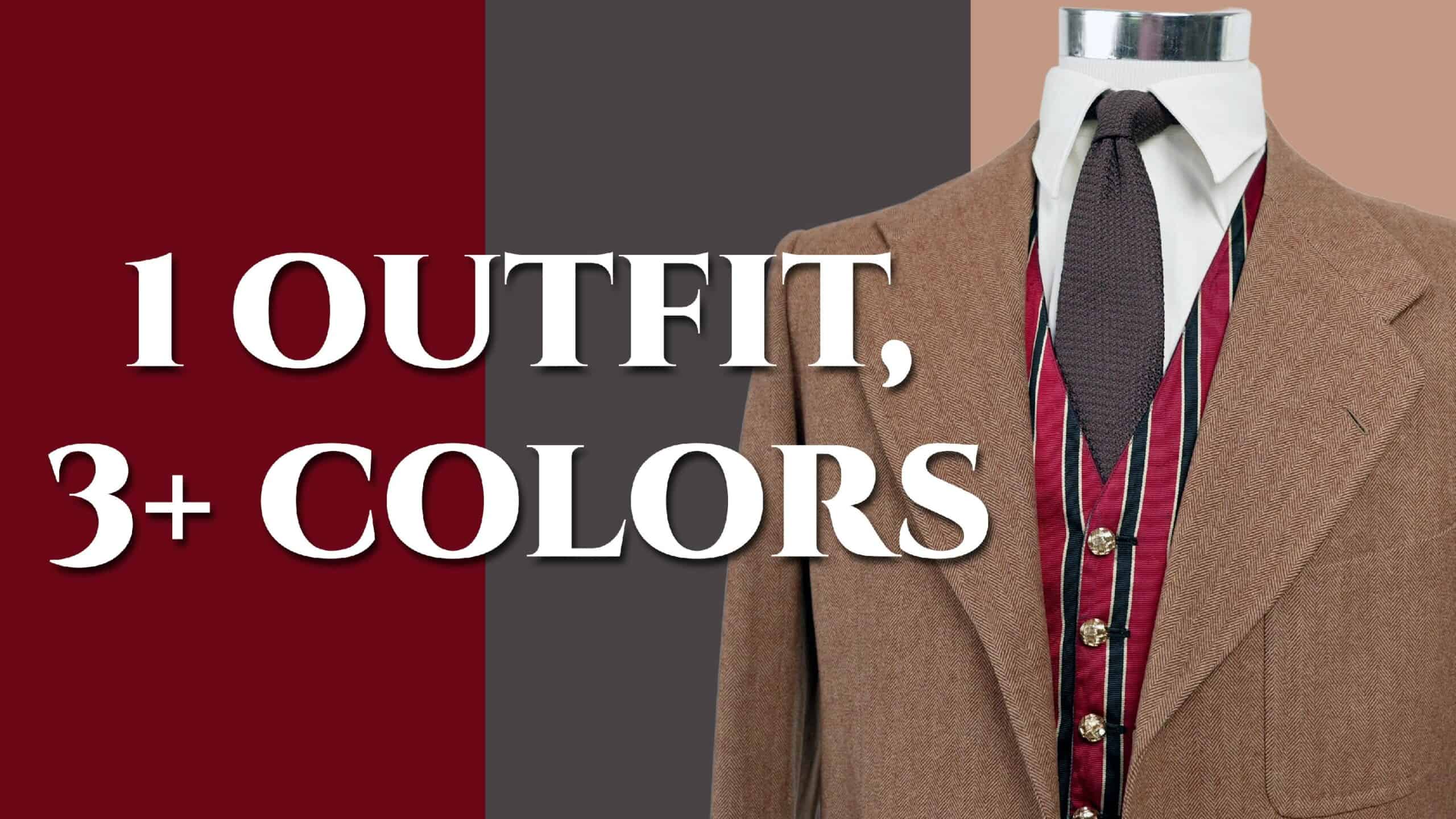
Even those who are new to classic men's style can look sharp by relying on fundamental two-color pairings like navy and grey or blue and brown, with a suit in one solid color and a tie in another. But if you're looking for ways to add more complexity to your ensembles, here are our tips on incorporating three or more colors into a single outfit (without looking like a peacock or a clown)!
How to Use Three or More Colors Successfully in an Outfit
As a wardrobe develops, it's easy to go for a solid worsted wool suit and a solid silk tie: it's simple and straightforward, requiring little thought, and it looks good. Simply add a white shirt and brown or black oxfords, and you have a smart outfit that fits most professional workplaces and urban settings. However, the same few colors can get boring over time! So, here are six tips to add more color to your tailored style.

Fort Belvedere
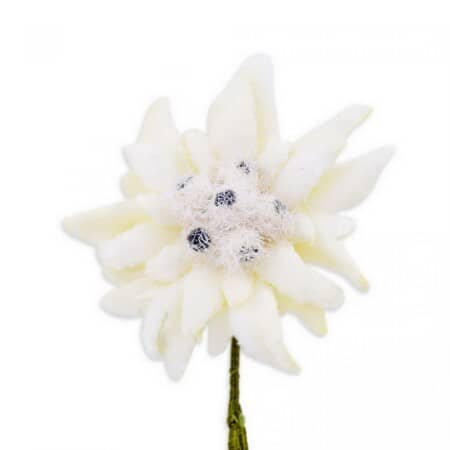
Edelweiss Boutonniere Buttonhole Flower
Fort Belvedere
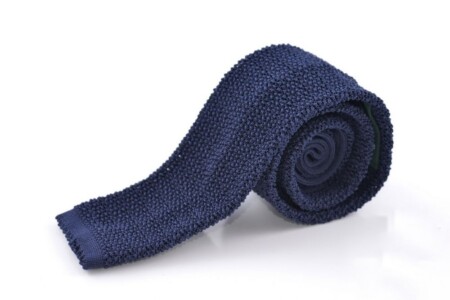
Knit Tie in Solid Navy Cri de la Soie Silk
Fort Belvedere
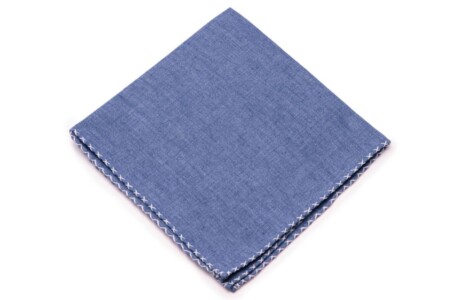
Sky Blue Two-Tone Linen Pocket Square with pale blue handrolled X-stitch edges
1. Change Up the White Shirt
While a white shirt can serve as a standard backdrop to your tie and jacket, it is just that–very standard. To go beyond basic, try a pastel blue shirt with a navy suit or a pink shirt with gray. You're immediately adding a third color that also reduces the stark contrast that a white shirt can create.
To take it a step further, look for shirts in other pastel colors such a lavender, salmon, and pale green. They make excellent backdrops for the brighter versions of their colors – purple with lavender, orange with salmon, and hunter green with pale green. This subtle addition of color will help you tie together your other accessories.
Fort Belvedere
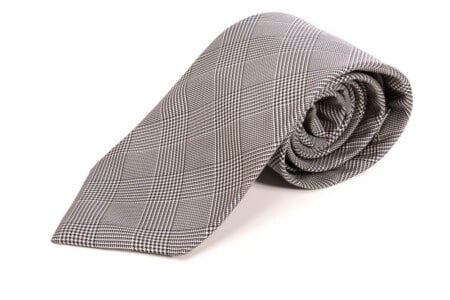
Prince of Wales Check Silk Tie in Black and White
2. Add a Vest or Waistcoat in a Bright Solid
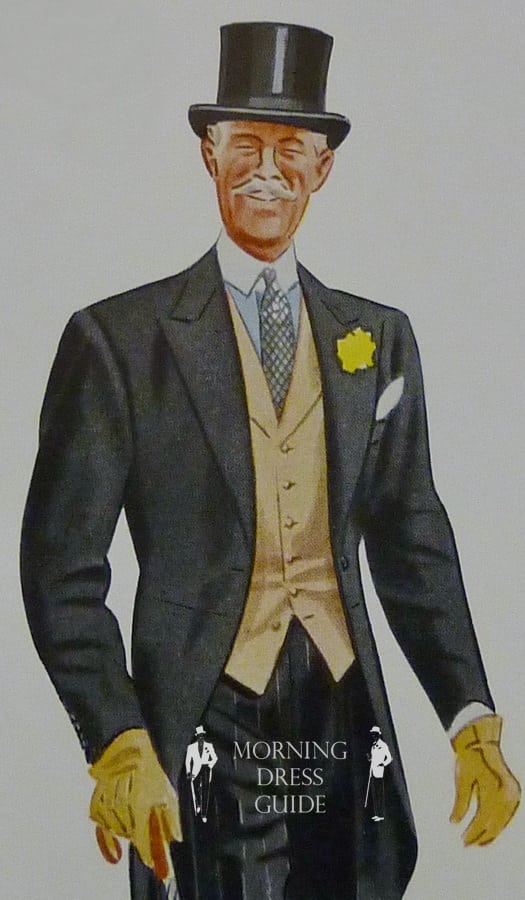
Another easy way to add even more color to a suit is to put on a waistcoat or vest in a different, brighter color. Odd vests are expected to pop–even highly formal morning dress accommodates robin's egg blue and buff waistcoats–so go bold with orange, red, royal blue, yellow, or even pink. Don't be afraid to experiment.
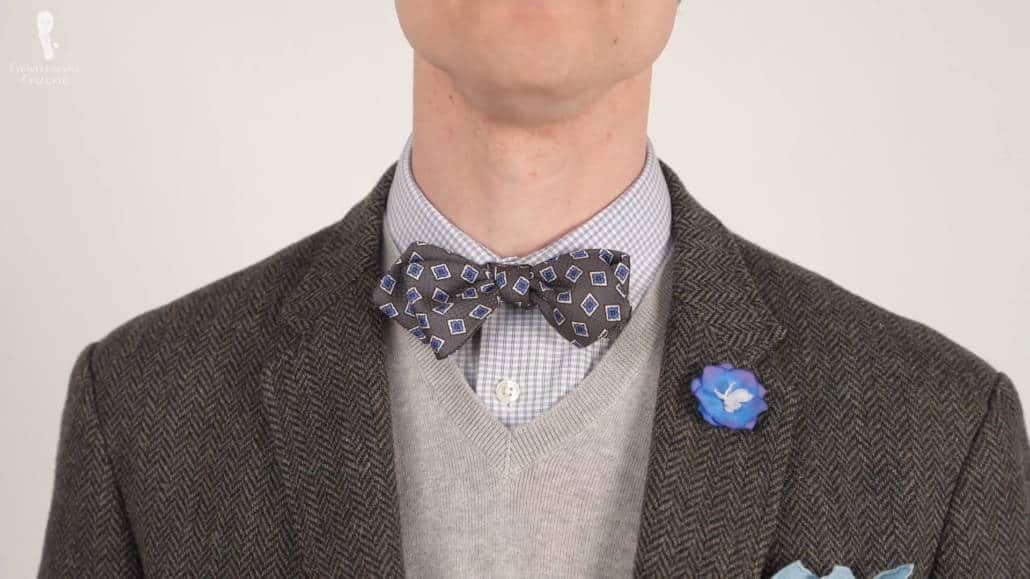
For another casual cool or cold weather wear, colorful knits are easy to find. In the image below, imagine the same sage green suit with a white shirt and no vest. The purple tie would still show some panache, but the outfit would not have the same richness without the blue shirt and orange knitted vest.

Your vest can also act like a dividing line, which lets you wear a tie that is the same color as your jacket without it looking boring, and if your tie and jacket color are slightly off from one another, the vest tricks the eye into not noticing the difference.
Fort Belvedere
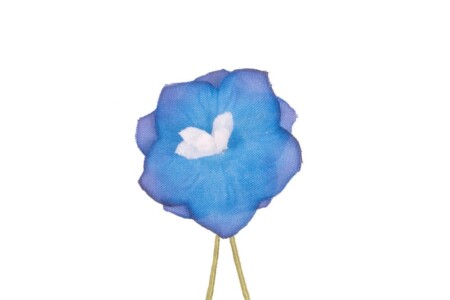
Blue Delphinium Boutonniere Buttonhole Flower Fort Belvedere
3. Switch Out Your Suit for a Combination
Part of the ease of a suit is its uniformity: you don't need to worry about coordinating the top and bottom of your outfit. Yet, many men prefer an odd jacket and trousers to a suit in part because it opens the door to more color combinations. In summer, you can go all out and try bright chinos or go-to-hell pants, and in winter, colorful corduroys.
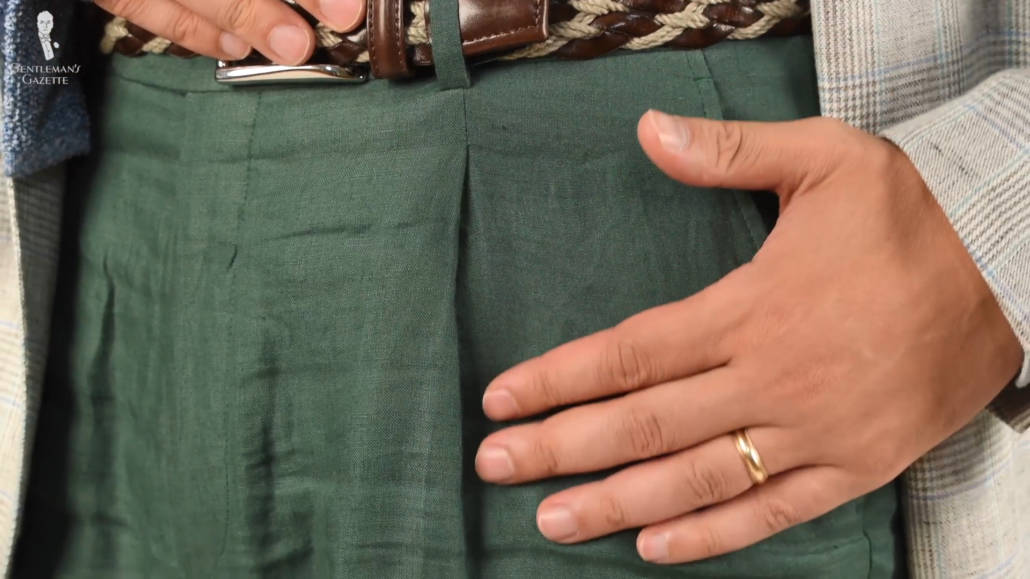
On the other hand, the added variable of different colored pants can create the temptation to over-match by trying to match a solid tie to one's pants. This can be done, provided the tie is very nearly or exactly the same color, or if the items are similar enough in color but different in texture (like a grenadine tie with worsted wool trousers).
This technique, however, isn't particularly creative and can make you look like you're trying. Therefore, you might prioritize wearing a tie of a third color: consider a maroon tie with a navy sport coat and gray pants, for example.
4. Don't Forget Your Feet
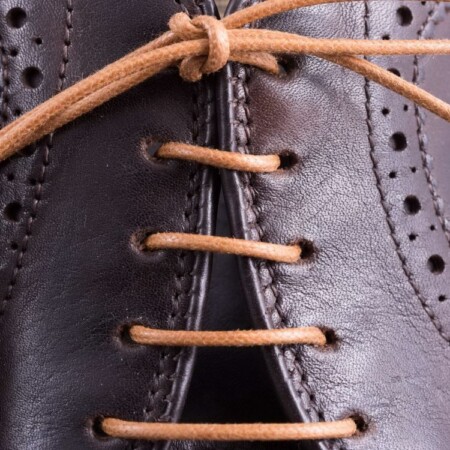
Colored shoelaces are an overlooked means of adding a single pop of color that ticks all the boxes: it's quick, cheap, and unique. For around $10, which is cheaper than any other menswear accessory you can think of, you can increase the colors you wear. Just make sure you know how to lace your shoes.
If you are in the market for colorful shoelaces, look no further than the Fort Belvedere shop. We've got numerous different colors and styles for both shoes and boots. So, we're guaranteed to have something that will meet your needs.
5. Add A Boutonniere
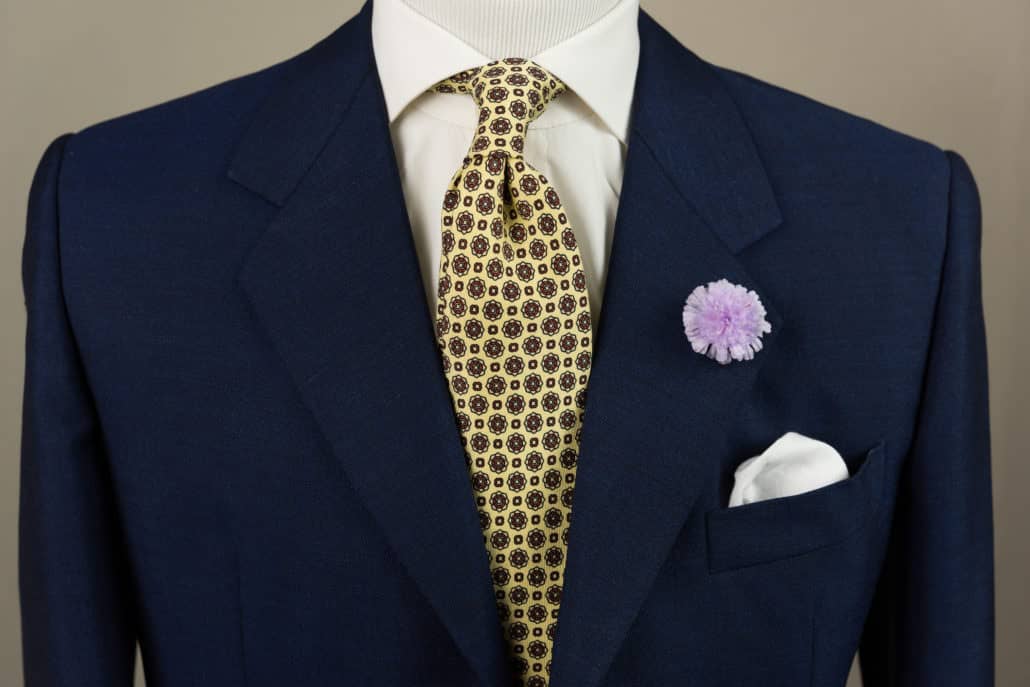
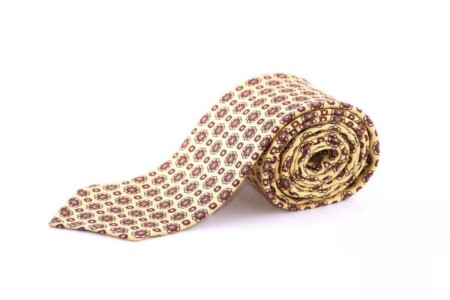
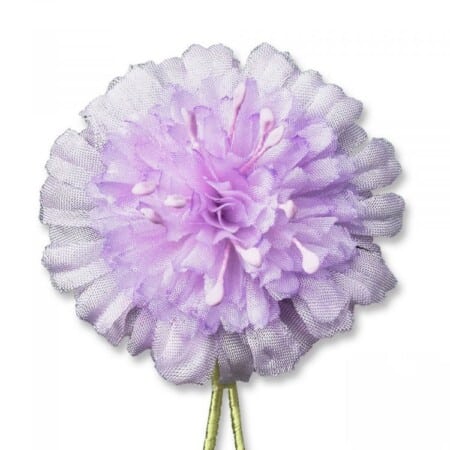
The hole in your jacket lapel is meant to be filled, and a boutonniere flower is a perfect choice to do that while adding a stylish pop of another color. If you're wearing a navy suit with a soft yellow tie, why not introduce a lilac or light blue flower?
Fort Belvedere
Madder Print Silk Tie in Buff with Red Pattern – Fort Belvedere
Fort Belvedere
Field Scabious Boutonniere Buttonhole Fort Belvedere
Fort Belvedere
White Linen Pocket Square with Handrolled Edges made in Italy – Fort Belvedere
6. Add Several Colors at Once with Patterns
The next step is to add multiple colors at the same time using one article of clothing. By using a patterned garment, you're automatically going to be introducing more richness and complexity into your outfit than you would simply by just relying on different solids.
6.1. Necktie
A foolproof method to do this is to replace a plain tie with one that contains stripes or a repeating geometric motif. The elements that make up the pattern have to be a different color in order to be visible and often include multiple tones. The beauty of a patterned tie is that it can act as a bridge between the other pieces you are wearing.
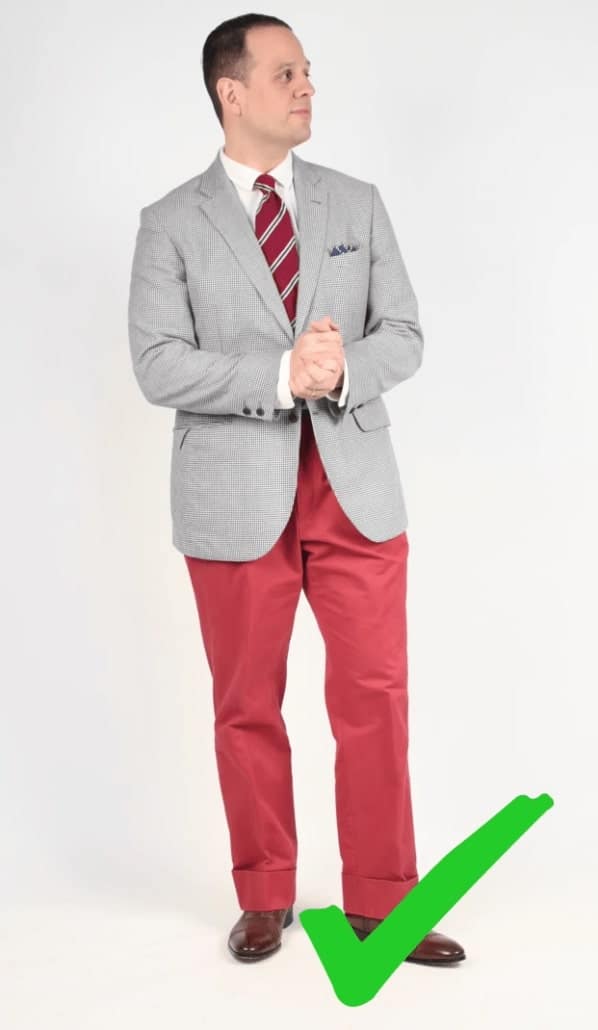
In the image below of Raphael, the red tone of his tie works with his trousers, while the lighter stripe pattern coordinates with his gray jacket. The presence of a pattern also breaks up the ground color and therefore de-emphasizes any variation between the main color of the tie and other elements, like the trousers. Therefore, an exact or precise color match matters less for coordination.
Fort Belvedere
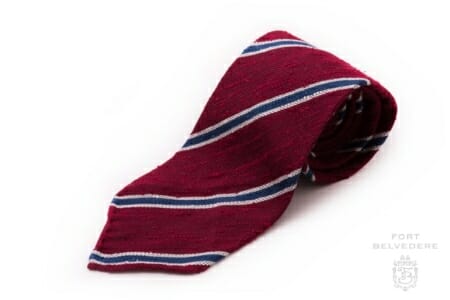
Shantung Striped Dark Red, Blue and White Silk Tie
Fort Belvedere
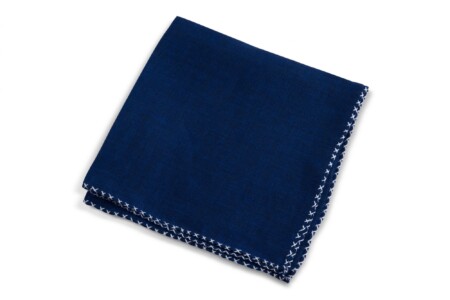
Dark Blue Linen Pocket Square with White Handrolled X Stitch
It's equally possible when wearing a patterned tie to use the pattern to introduce an additional color. The base tone of the tie can match your jacket while the geometric motif adds one or more colors you don't yet have on.A classic example is the classic maroon, navy and gray grenadine striped tie. You could wear this with a gray suit and add two new colors or with a navy blazer and gray pants, making maroon your added color. Another example would be a taupe jacket.
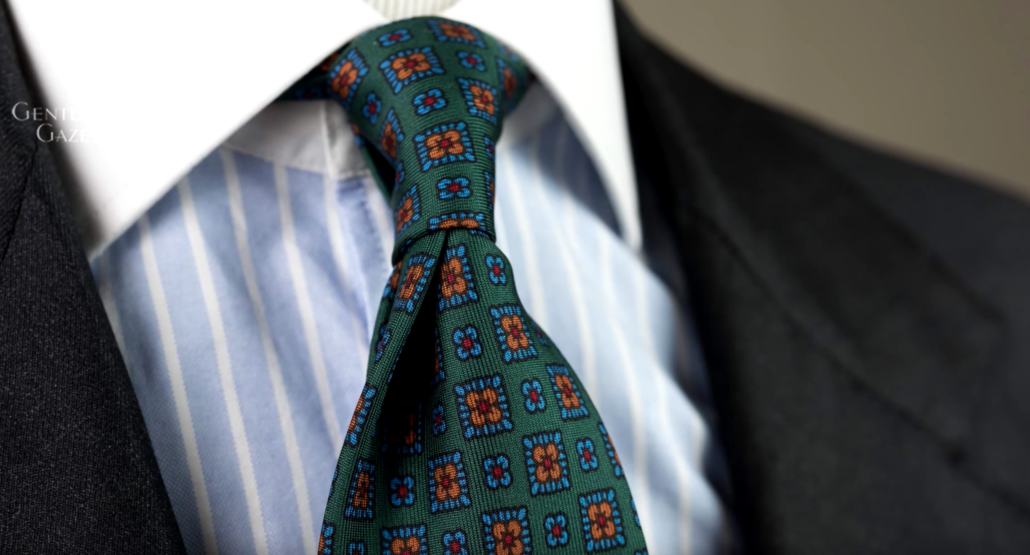
Small repeating geometric patterns on a tie are also fantastic because they often include multiple accent colors. For example, the one below from Fort Belvedere contains green, sky blue, orange, and red, so you'd be adding touches of up to four colors with just one tie.
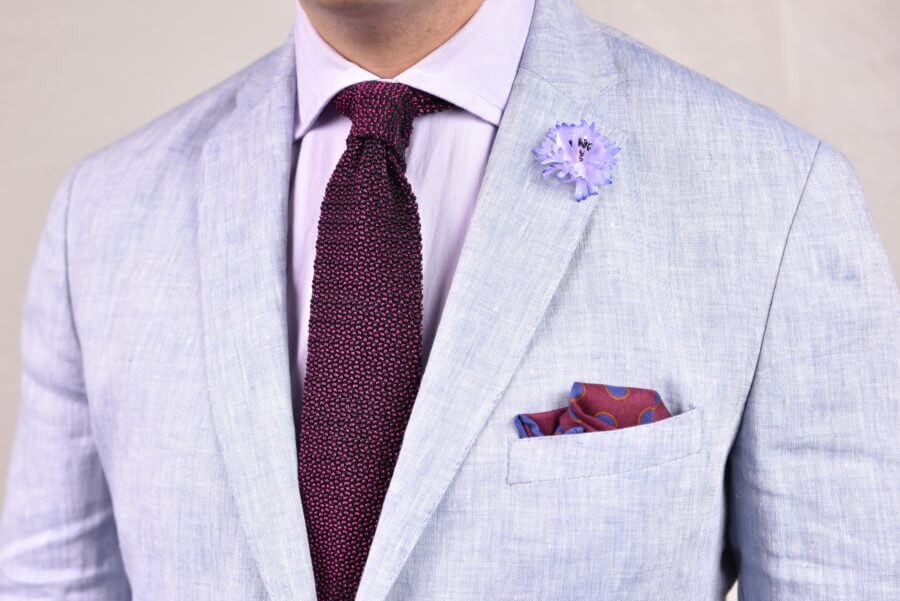
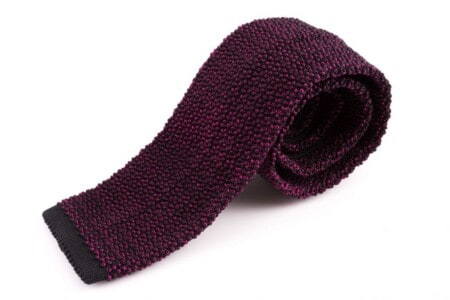
If you want a more casual tie that provides an infusion of several colors at once, try a two-tone changeant silk knit Fort Belvedere. This is made up of two different colored yarns, such as brown and gold or blue and light blue, knitted in such a way that the tone looks like it's changing depending on the light and viewing angle (thus the French term "changeant").
Fort Belvedere
Two-Tone Knit Tie in Black and Magenta Pink Changeant Silk

Fort Belvedere
Blue Cornflower Boutonniere Buttonhole Flower Silk
Mottled knits are a variation on this, mixing two colors. You can also find slubby shantungs that have secondary shadow colors, giving you multiple subtle tones in one tie.
6.2. Pocket Square
Accessories as a whole are a safe way to add multiple colors at once because you only get them in tiny doses. While you can add just a single new color with a pocket square, one with a pattern will give you the most bang for your buck, packing more color than any other item you can wear.
For example, a paisley pocket square like the one pictured below contains at least eight different tones, but because they're in pastels and incorporated in a small pattern, none of them are overwhelming.
Moreover, even if a hankie contains a complex paisley pattern with a dozen of different colors, you can adjust how it sits in your breast pocket, using different folds, to accent different colors. Using a single pocket square as an example, you can see how a puff fold accents the pink color more, whereas showing the edges further accents the orange.
Pocket squares afford even greater freedom than ties when you want to add color because they are expected to differ from the rest of your outfit. Beginners to men's style often commit thefaux pasof buying matching pocket square and tie sets, but the true connoisseur knows that the handkerchief is the place to introduce an additional hue; it should never be too "matchy."
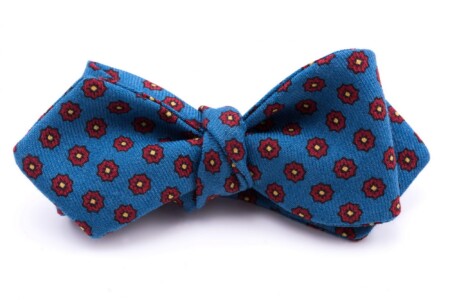
Fort Belvedere
Wool Challis Bow Tie in Mohair Blue with Red and Yellow Pattern
Fort Belvedere
Edelweiss Boutonniere Buttonhole Flowerame
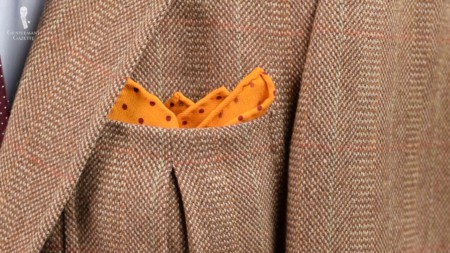
Fort Belvedere
Wool Challis Pocket Square in Yellow with Burgundy Polka Dots
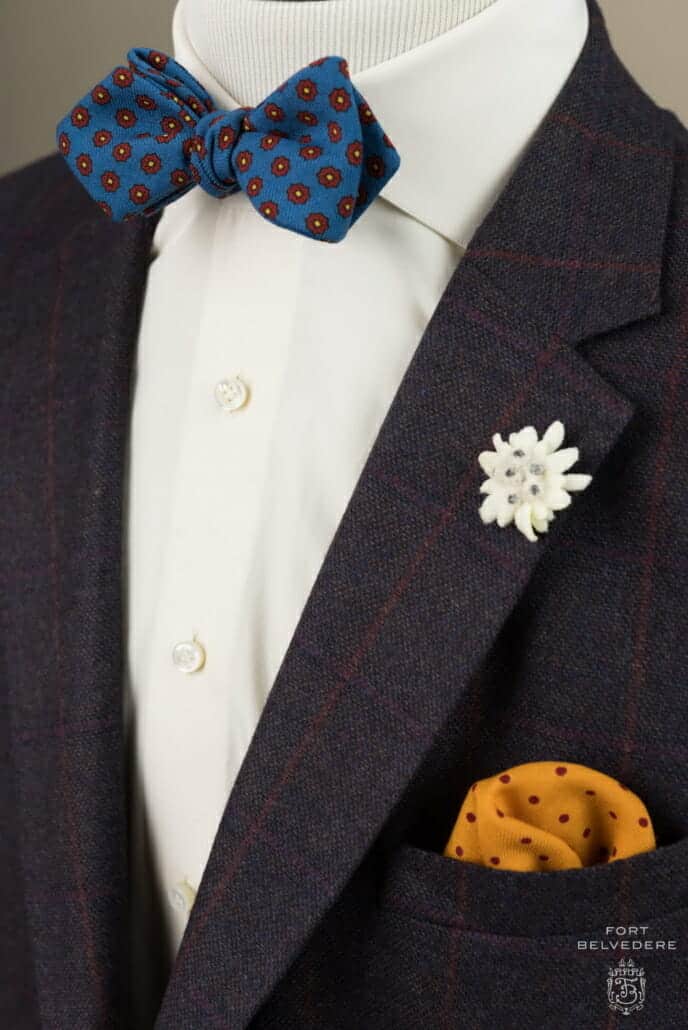
As an example here, the pocket square repeats both the red and gold of the bow ties patterned motif, as well as the red of the jacket's over check. But, at the same time, it's accenting gold more than any other color.
6.3. Scarf
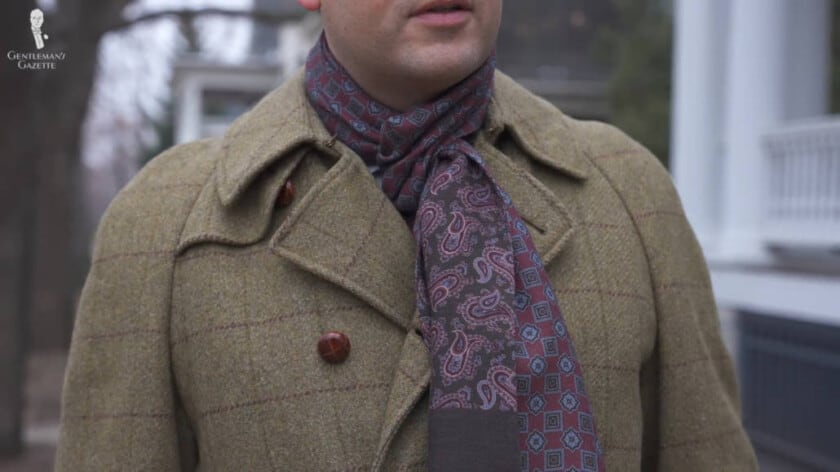
Scarves and pocket squares have a lot in common, and the former can be considered, in some ways, larger versions of the latter. However, with a scarf, whether silk with a printed pattern or solid cashmere, you're getting a stronger effect, so consider it an accent and surround the scarf with subdued-colored garments, such as your overcoat.
6.4. Tattersall Shirt
Going beyond accessories, an underappreciated technique for adding multiple colors at once is a tattersall shirt. The tattersall pattern is made up of two or more different complementary colors. In the example below from Cordings in the UK, there are actually four different colors–pink, purple, blue, and black–skillfully combined.
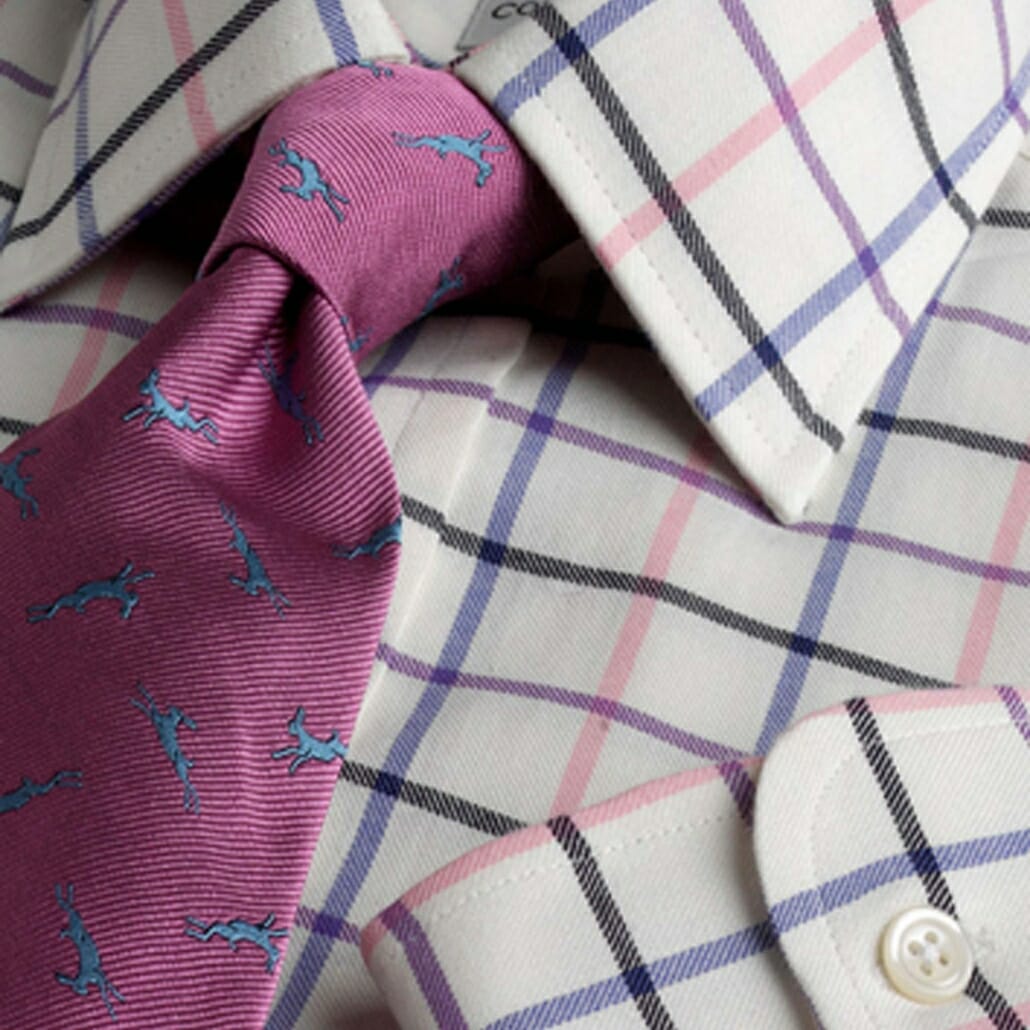
Tattersall is versatile enough to wear in most business settings, providing an understated but clearly apparent injection of color. You can find multi-colored striped shirts too, but they can risk being too loud and look more casual than a fine grid. So, we would recommend that you incorporate them more into business casual ensembles or those even more casual than that.
6.5. Patterned Waistcoat
We've mentioned solid waistcoats above, with an emphasis on knits, but the traditional odd waistcoat is supposed to be one that displays a strong pattern. If you have a solid shirt on, you could make your vest the tattersall. Another thing layering this way with a waistcoat achieves is that it gives you more opportunities to play with colors. Your waistcoat can act as a bridge because it can coordinate with a color in your tie, in your jacket, or both!
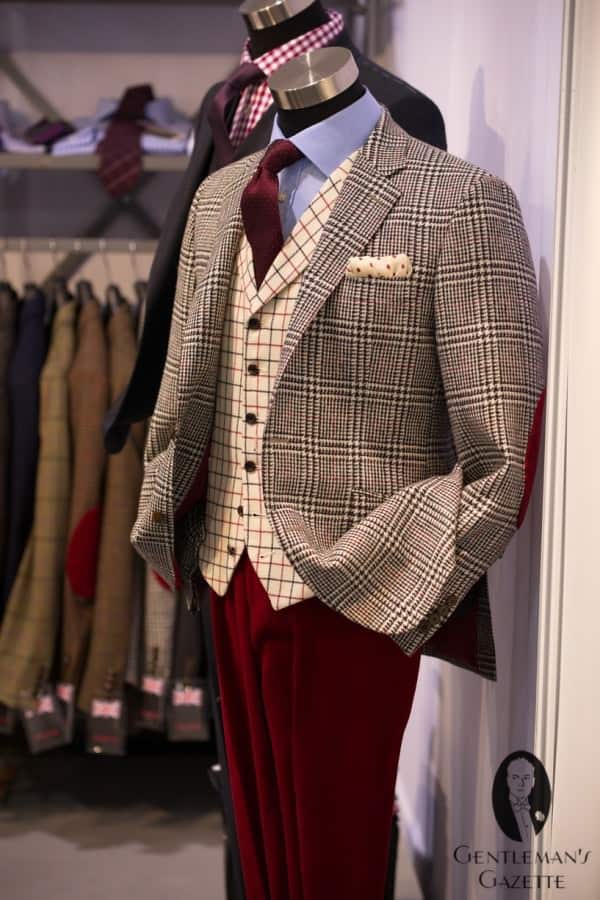
As an example, consider the checked waistcoat from Chester Barrie above, which manages to pull in the buff tones of the pocket square, the red of the trousers, and the blue of the shirt. Red can also be found in the pocket squares, polka dots, and necktie. The pattern in the jacket further reinforces the color feel while also adding more playfulness.
6.6. Tailored Jacket
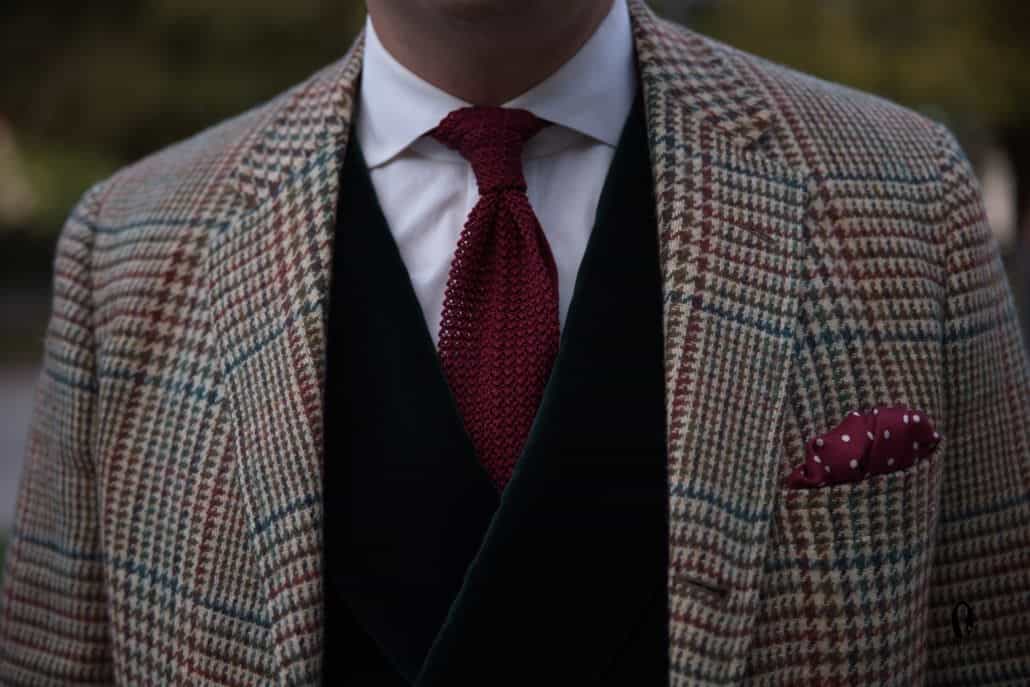
For your jacket layer, an overcheck is your friend. This is a windowpane grid in one color laid over another plaid pattern. The most famous is the Prince of Wales check, which, by definition includes a glen check in one color over which there is a grid of another hue.
Fort Belvedere
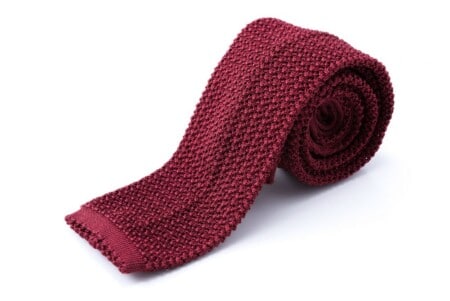
Knit Tie in Solid Burgundy Red Silk – Fort Belvedere
Fort Belvedere
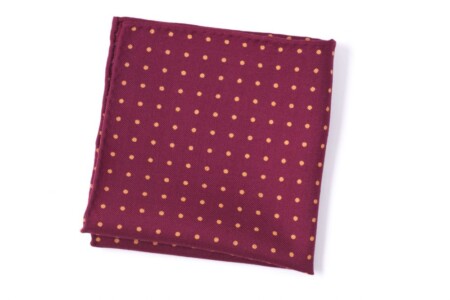
Wool Challis Pocket Square in Burgundy with Yellow Polka Dots Fort Belvedere
For instance, you might find a grey Prince of Wales with an overcheck in sky blue. Just like that, by wearing one of the classic menswear patterns, you have an additional accent color. You can then coordinate accordingly with the colors of your tie and perhaps a vest.
6.7. Socks
The crazy socks trend seems to have reached a peak a few years back, and it's not one we've really gotten behind, but just because we don't recommend wearing socks with pizzas or dinosaurs on them, doesn't mean that we advocate just for sticking with solid socks.
You can wear socks in various accent colors, and especially ones that show some pattern, to amp up the number of colors you're wearing in one step. It's not just a trendy move either as you can find a variety of colored and patterned dress socks in vintage apparel arts illustrations from the 20th century.
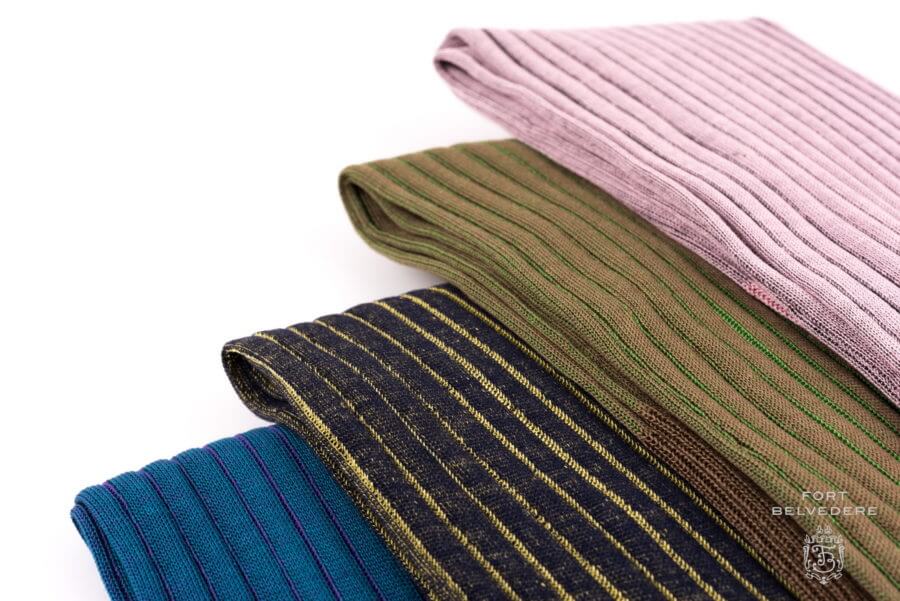
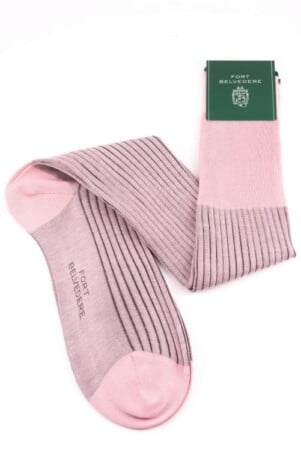
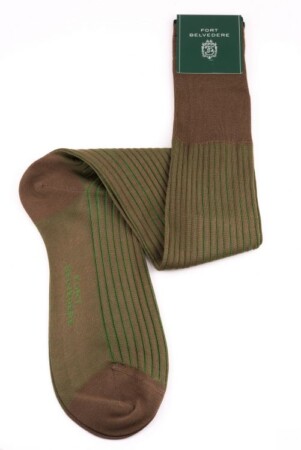
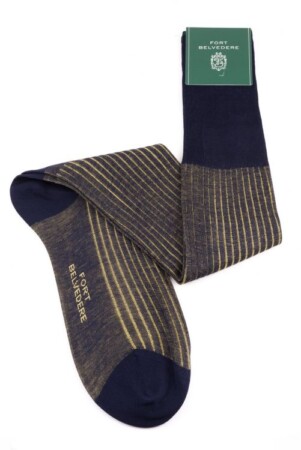
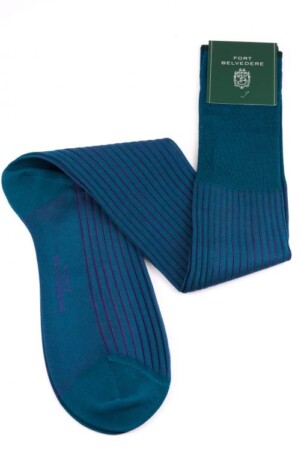
One option to instantly incorporate two colors is shadow-stripe socks, which have one main color along with a second "shadow" color in the ribbing stripes.
Fort Belvedere
Pink and Grey Shadow Stripe Ribbed Socks Fil d'Ecosse Cotton – Fort Belvedere
Fort Belvedere
Mid Brown and Green Shadow Stripe Ribbed Socks Fil d'Ecosse Cotton – Fort Belvedere
Fort Belvedere
Navy and Yellow Shadow Stripe Ribbed Socks Fil d'Ecosse Cotton – Fort Belvedere
Fort Belvedere
Teal and Purple Shadow Stripe Ribbed Socks Fil d'Ecosse Cotton – Fort Belvedere
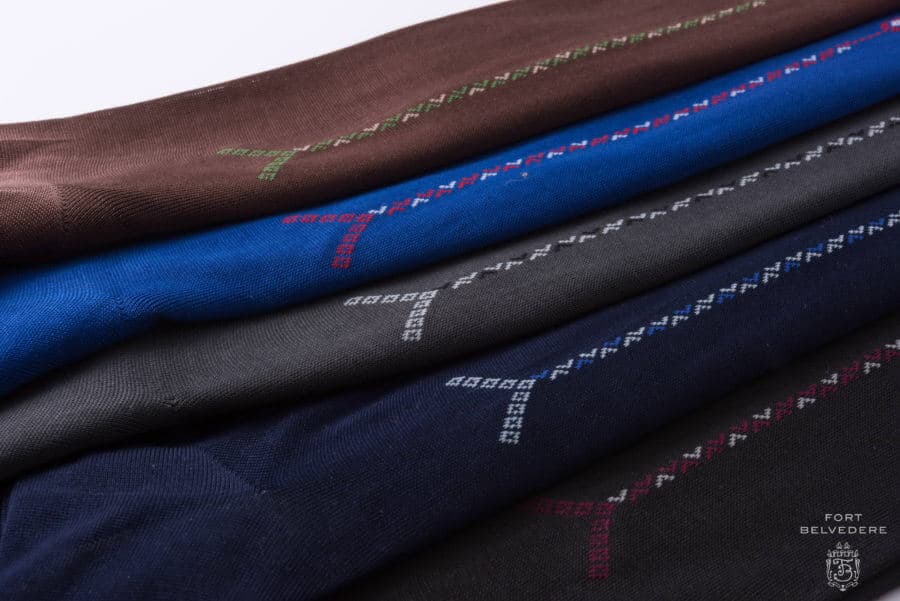
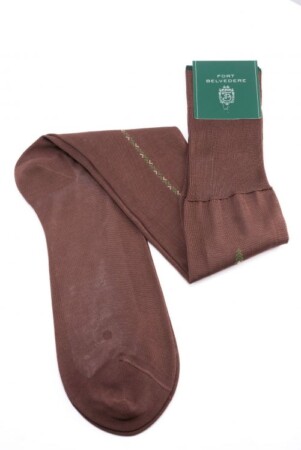
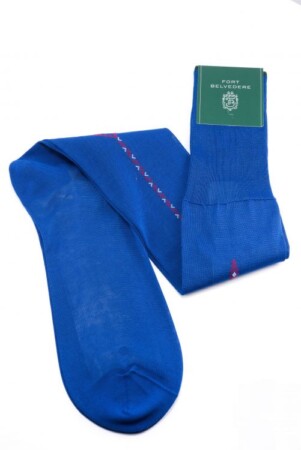
If you want even more subtlety, try socks with clocks (the name for the pattern running down the side) such as a conservative charcoal sock with burgundy and white clocks. Of course, we offer both shadow-striped and clock pattern socks in the Fort Belvedere shop along with our new two-tone solid designs, which also feature multiple colors.
Fort Belvedere
Mid Brown Socks with Green and Cream Clocks in Cotton – Fort Belvedere
Fort Belvedere
Blue Socks with Red and White Clocks in Cotton – Fort Belvedere
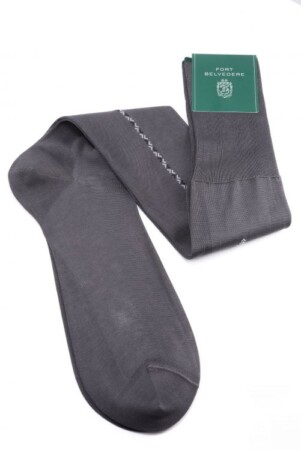
Fort Belvedere
Grey Socks with Light Grey and Black Clocks in Cotton – Fort Belvedere
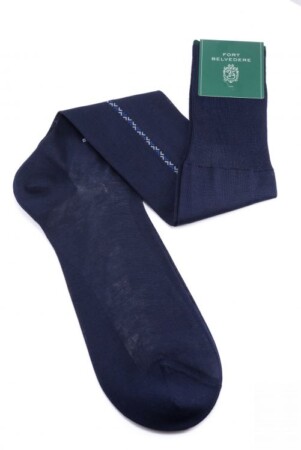
Fort Belvedere
Navy Socks with Blue and White Clocks in Cotton – Fort Belvedere
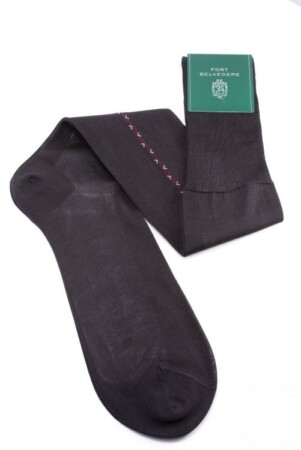
Fort Belvedere
Dark Grey Socks with Burgundy and White Clocks in Cotton – Fort Belvedere
A Note on Neutrals
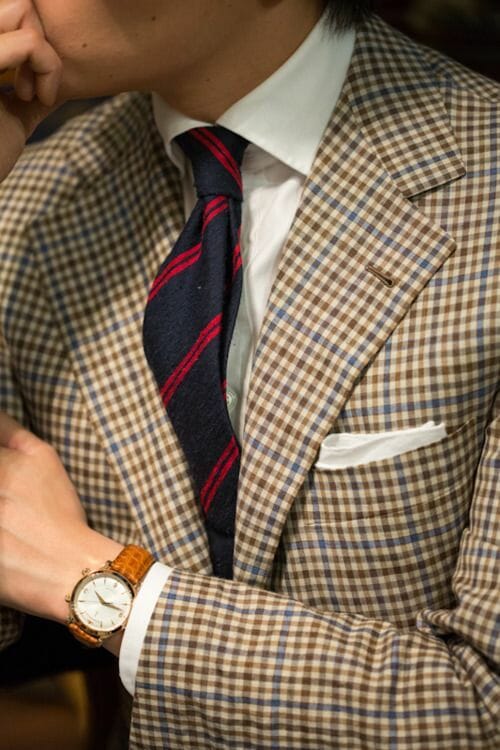
If you're wearing any neutral tones, such as brown, beige, khaki, various shades of gray, black, navy, or other shades of blue, be aware that these are easy bases for you to add almost any other color to.
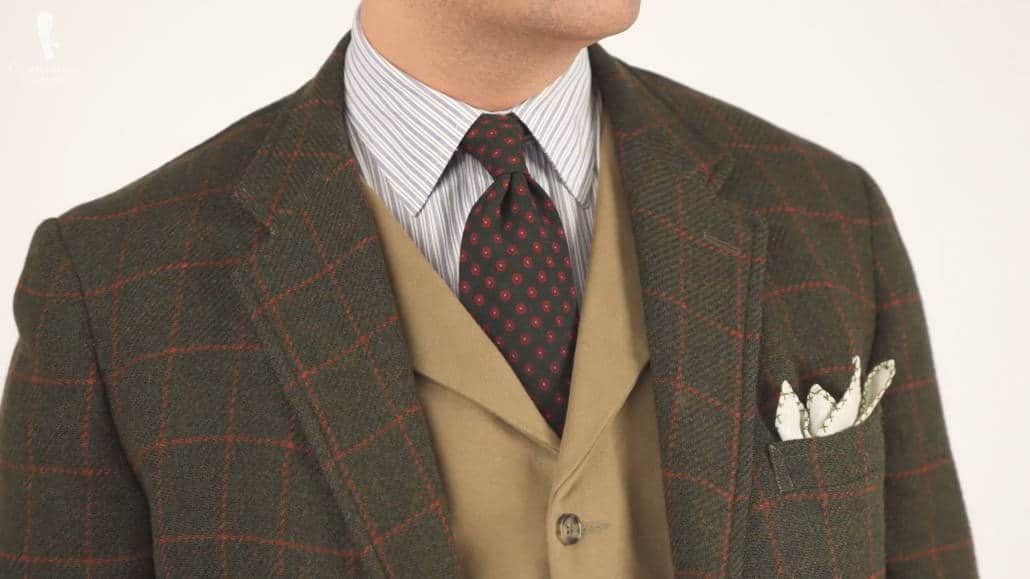
This is true even if you are wearing a garment that features a pattern in neutral colors, such as this gun club check jacket, which features blue and brown tones. It isn't overwhelmed by the addition of the red in the tie.
Conclusion
Fort Belvedere
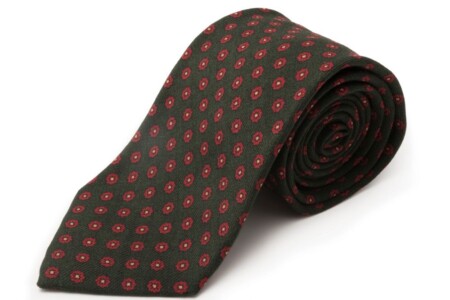
Wool Challis Tie in Olive Green with Small Geometric Pattern in Red and Orange – Fort Belvedere
Fort Belvedere
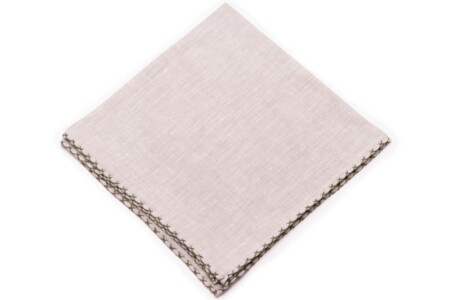
Pale Green Linen Pocket Square with handrolled Olive Green X-stitch edges – Fort Belvedere
However, adding one other yet unrepresented hue is easy and shows your stylistic expertise. Of course, restraint and careful consideration should always be part of a gentleman's sartorial game. Pick and choose where you want to add your colors and how far you want to go.
It's not likely that you'll wear colored shoelaces, bright socks, go-to-hell pants, and an orange knit vest at the same time. Think of the ideas in this article as a buffet of options for you to choose from. Just don't overload your sartorial plate!
Outfit Rundown
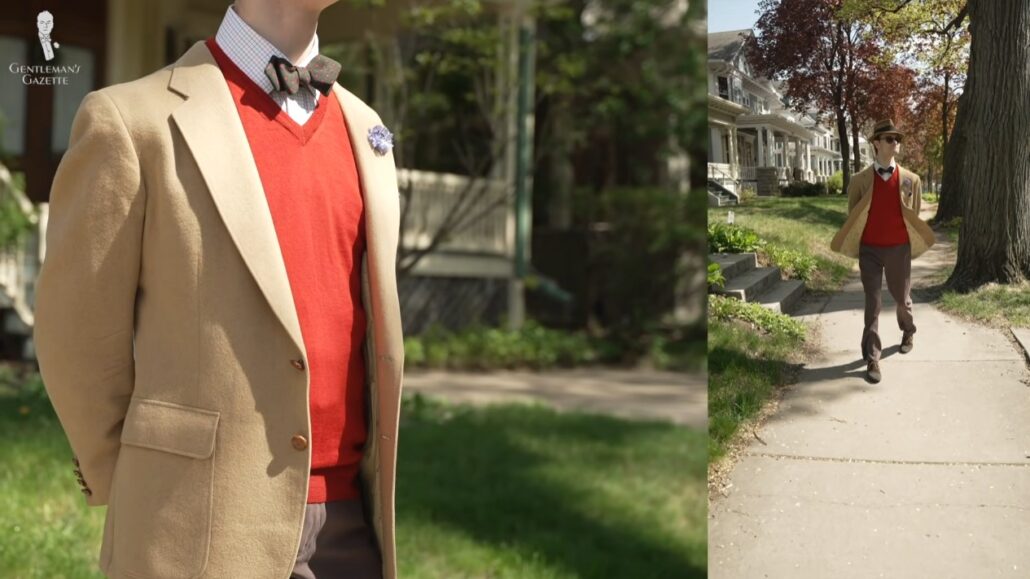
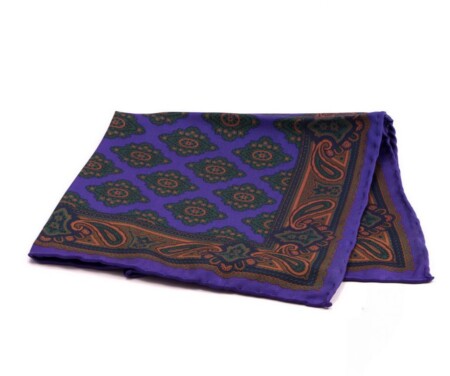
I've put together an outfit that is attempting to illustrate many of the principles we've discussed. The principal accent color of my outfit is the blood orange of my v-neck sweater, which is also echoed in the pattern of my pocket square as well as my tattersall shirt.
Fort Belvedere
Madder Silk Pocket Square in Purple with Green Diamond Motif and Red Paisley- Fort Belvedere
Fort Belvedere
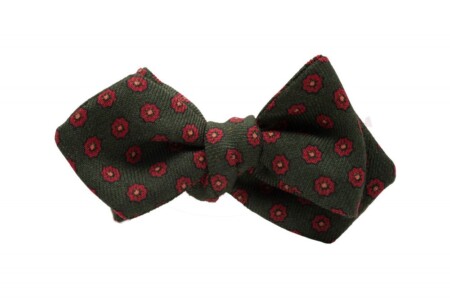
Wool Challis Bow Tie in Olive Green with Small Geometric Pattern in Red and Orange – Fort Belvedere
Fort Belvedere
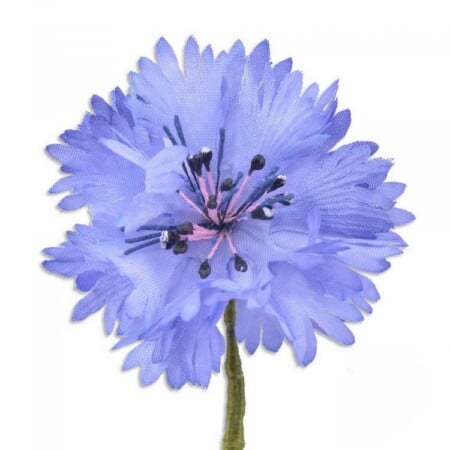
Blue Cornflower Boutonniere Buttonhole Flower Silk Fort Belvedere
Fort Belvedere
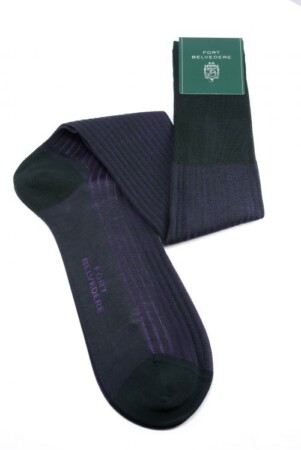
Shadow Stripe Ribbed Socks Dark Green and Purple Fil d'Ecosse Cotton – Fort Belvedere
Fort Belvedere
Light Brown Shoelaces Round – Waxed Cotton Dress Shoe Laces Luxury by Fort Belvedere
My principal accent color today is a blood orange, which can also be found in the patterns of my pocket square and my tie. as well as in the tattersall pattern of my shirt.
Other colors featured in that tattersall pattern are blue, green, and purple, which are also all found elsewhere around the outfit. Green is found in the bow tie, pocket square, and socks and purple is also found in the pocket square and socks, as well as my cornflower boutonniere. Blue is admittedly playing a bit of a background role in the ensemble. But, there are some blue tones in the indigo of the pocket square and the cornflower and, indeed, this shade of cornflower was historically referred to as blue. My camel hair sport coat is acting as a neutral to ground the outfit somewhat as are my plain brown trousers.
Though, they do contain a warm undertone, which serves to harmonize with the orange in the outfit.
My chocolate brown suede Oxfords are also grounding the outfit. Though, I've inserted into them some tan colored laces from Fort Belvedere to provide an additional pop of color and, of course, you can find all of the Fort Belvedere accessories I'm wearing, including the shoelaces, socks, boutonniere, pocket square, tie in our shop.
How do you wear three or more colors in an outfit? What are your favorite combinations? Let us know in the comments.
Source: https://www.gentlemansgazette.com/using-three-more-colors/
0 Response to "Can a Guy Wear Two Different Shades of Blue"
Postar um comentário